



Recycling vs Reusing: What's the Difference?
Recycling vs Reusing: What's the Difference?
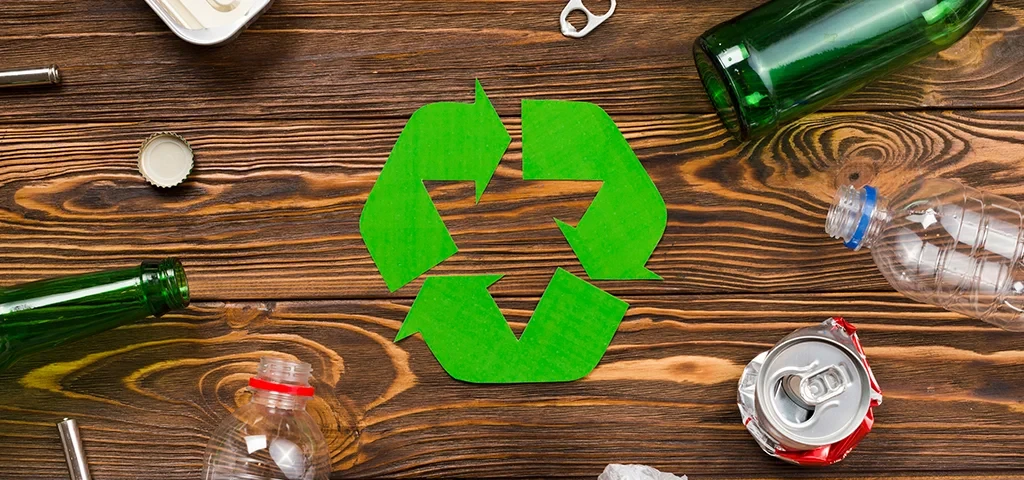
Recycling means taking a material back through a transformation process to make it into a new raw material — for example, melting used plastic bottles into a molten polymer, forming it into new chips, and extruding those chips into fibre. Reusing means taking the same item and using it again as it is, with no processing — writing on the other side of a used sheet of paper, or cutting a water bottle in half to make a plant pot. The core difference: recycling changes the material's form and consumes energy, while reusing leaves the item intact and uses almost none.
Which comes first — reuse or recycling?
The globally used waste hierarchy runs Reduce → Reuse → Recycle → Dispose. Reuse always comes before recycling, because it requires no processing energy and no material is lost along the way. Recycling is the option once an item can no longer be used as it is.
Recycling and reuse in the textile industry
- Recycling: used PET bottles are washed, ground into flake, melted, and extruded into recycled polyester fibre (rPET), which can then be woven or knitted exactly like conventional polyester. Roughly 12–15 500 ml bottles yield enough fibre for one T-shirt.
- Pre-consumer recycling: fabric and yarn waste from cutting rooms and knitting mills is sorted by fibre type and colour, cleaned, then melted into chips and extruded into new polyester filament, the same route as PET bottles.
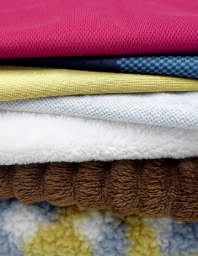
- Reuse in textiles: second-hand clothing, repair, and upcycling offcuts into tote bags or cleaning cloths — clearly more resource-efficient than recycling.
Frequently asked questions
Which is better for the environment, recycling or reusing?
Reusing. It requires no processing energy and loses no material along the way. Recycling is the right choice once an item can no longer be used as it is.
How is upcycling different from reusing?
Upcycling is a form of reuse that raises the item's value or usefulness above what it was — turning fabric offcuts into a bag, for instance. Ordinary reuse means using the item again in its original role.
How many times can plastic be recycled?
PET can go through roughly 5–10 rounds of mechanical recycling before the polymer chains shorten enough to compromise quality, which is why recycled material is usually blended with virgin material.
Is recycled polyester fabric lower quality than regular polyester?
For general use, no — strength and moisture-wicking performance are comparable. The difference is colour consistency, which is controlled by careful raw material sorting and by dope-dyeing.



- 60/62 Inch
- 240 GSM

- 60/62 Inch
- 260 GSM

- 60/62 Inch
- 340 GSM

- 60/62 Inch
- 270 GSM