




What Is GSM in Fabric? Meaning, Formula & Why It Matters When Sourcing Polyester Fabric
Discover what GSM in fabric means. Learn the GSM formula, fabric weight ranges, and why it matters when sourcing quality polyester fabric for your products.
Last updated: Aug 2026
Key Takeaway
GSM stands for Grams per Square Meter — the standard unit for fabric weight, calculated as fabric weight (grams) divided by fabric area (square meters).
GSM directly affects a fabric's thickness, feel, durability, and drape, and is one of the specifications buyers should always confirm before ordering.
Labels like "light," "medium," and "heavy" are just rough guides — the exact numbers vary by source and fabric type, so always check the actual GSM of what you're buying rather than trusting the label alone.
GSM stands fo
Grams per Square Meter, the standard unit used to measure fabric weight. It tells you how many grams a single square meter of a given fabric weighs — a higher GSM means a heavier, generally thicker fabric, while a lower GSM means a lighter, generally thinner one.

The GSM Formula
GSM is calculated as:
GSM = Fabric weight (grams) ÷ Fabric area (square meters)
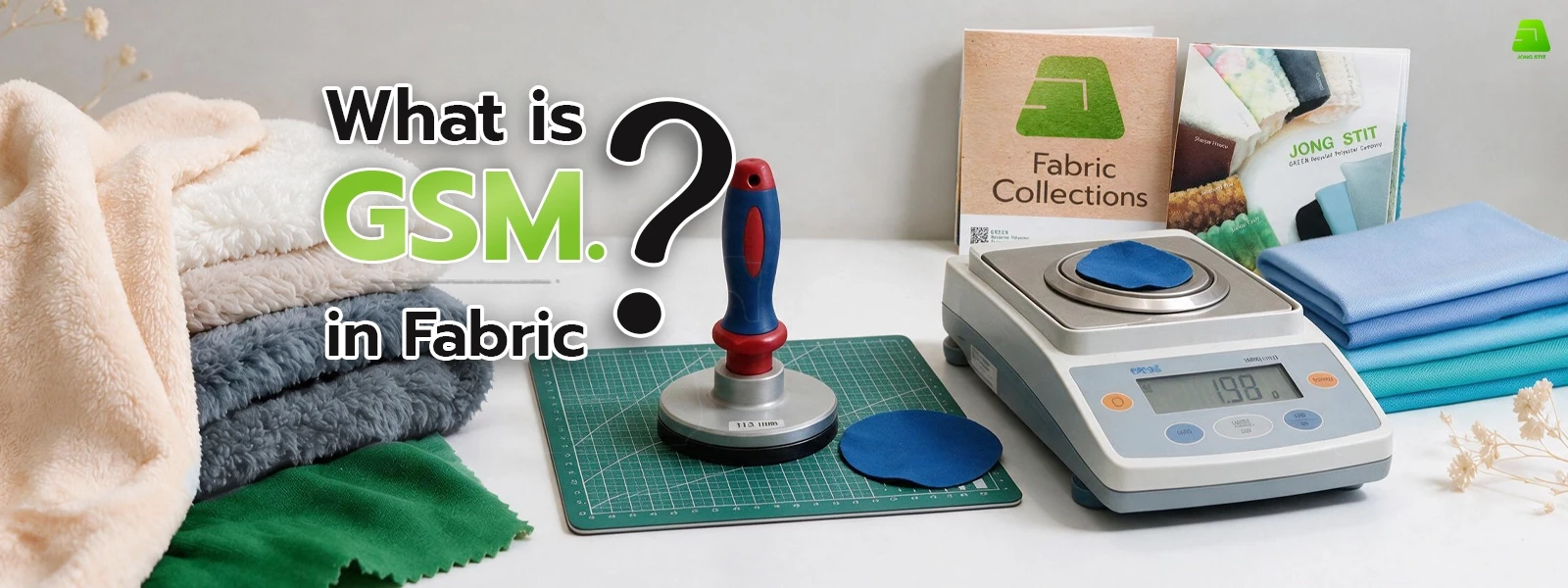
In practice, mills measure this using a round fabric-weight sample cutter (commonly cutting a fixed, known area such as 100 cm²), weighing the sample precisely, and converting the result to grams per square meter. This is why GSM is a physical, testable specification.
GSM Ranges: Lightweight, Medium & Heavy Fabric
Why GSM Matters for Manufacturers and Buyers
Determines thickness and weight — directly affects how the fabric looks and behaves in the finished product.
Affects feel and drape — a heavier GSM fabric typically drapes less and feels more substantial; a lighter GSM fabric moves and breathes more.
Drives costing — heavier fabric uses more raw material per meter, which affects price.
Supports quality control — GSM is one of the specifications a buyer can test on arrival to confirm the delivered fabric matches what was ordered.
GSM vs. Fabric Density: What's the Difference?
GSM measures weight per area — it doesn't by itself tell you how tightly a fabric is woven or knitted. Two fabrics can have the same GSM but different densities (thread count or stitches per inch), yarn thickness, or finishing, and feel completely different as a result.

Jong Stit: GSM Across Our Fabric Range
As a fully integrated polyester fabric manufacturer, our factory can produce fabric across a wide range of GSM, made to the specifications you require — including fur/pile length for our various pile fabrics.

Frequently Asked Questions
What does GSM mean in fabric? GSM stands for Grams per Square Meter, the standard unit used to measure how much a square meter of a given fabric weighs. It's the most common way manufacturers and buyers specify and verify fabric weight.
How is GSM calculated? GSM is calculated by dividing a fabric's weight in grams by its area in square meters. In practice, mills use a fixed-area sample cutter to cut a known area of fabric, weigh it precisely, and convert that to a grams-per-square-meter figure.
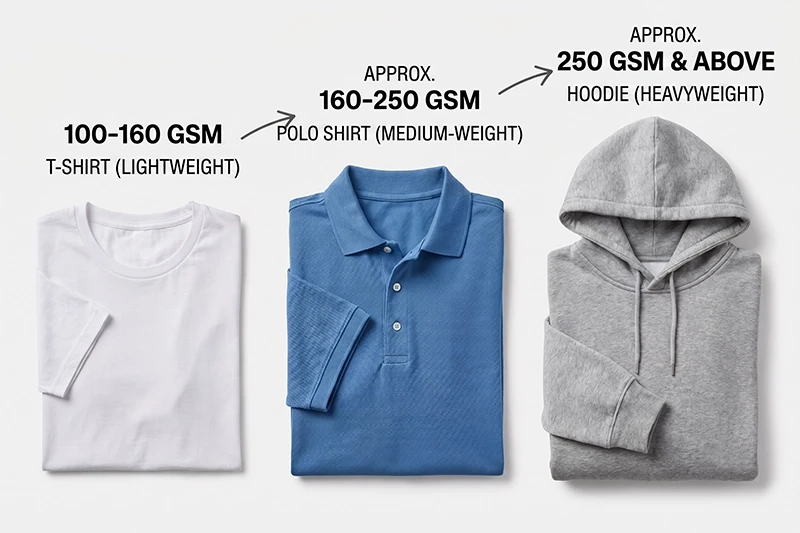
What GSM is considered lightweight vs. heavyweight fabric? As a general reference, roughly 100–160 GSM is considered lightweight (T-shirts, linings), 160–250 GSM medium-weight (polo shirts, sportswear), and 250 GSM and above heavyweight (sweatshirts, jackets, blankets) — though exact cutoffs vary by source and fabric type.
Does higher GSM always mean better quality? No. Higher GSM means a heavier, generally thicker fabric, not necessarily a higher-quality one. The right GSM depends on the intended use — a lightweight summer T-shirt fabric at 140 GSM isn't lower quality than a 300 GSM jacket fleece; it's simply built for a different purpose.
Can I request a custom GSM for polyester fabric? Many manufacturers can adjust GSM within a range for a given fabric construction. Specify your target GSM with a tolerance (e.g., ±5%) and confirm with the manufacturer what range is achievable for the specific fabric type you need.

- Sep 1, 2026


- May 14, 2026

- 60/62 Inch
- 240 GSM
- 60/62 Inch
- 260 GSM
- 60/62 Inch
- 340 GSM
- 60/62 Inch
- 270 GSM